
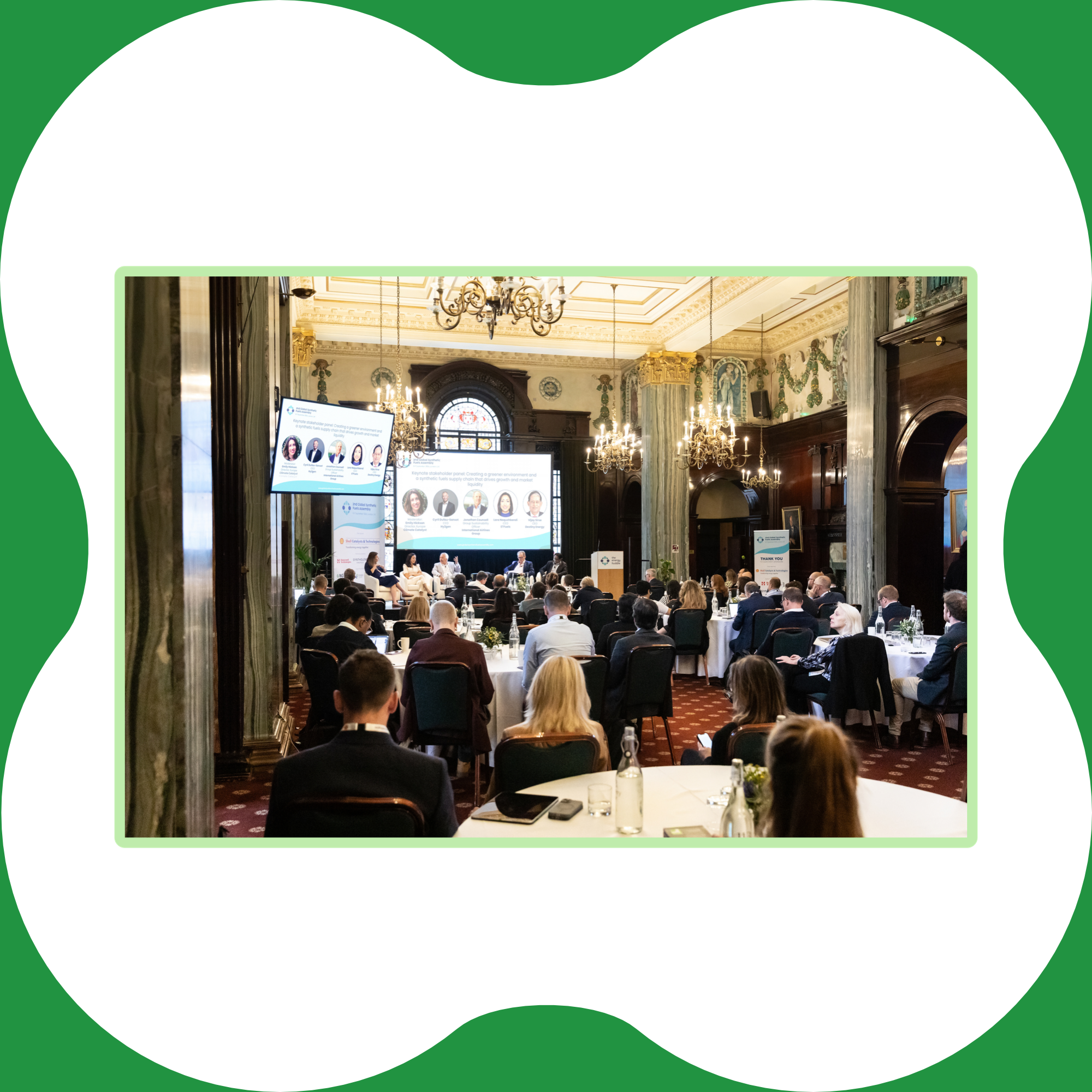
Global e-Fuels reports back from the second Global Synthetic Fuels Assembly, which took place 8-9 September 2026 in London, UK.
Despite attendees turning up brandishing umbrellas and shaking off raincoats, the 2nd Global Synthetic Fuels Assembly was anything but a washout. Chairperson Paul Davies, Chair of The Coalition for Negative Emissions, roused the early morning crowd with an enthused view of the coming days’ discussions as well as brief but detailed remarks on the current e-fuels landscape, including the recently announced Low Carbon Fuel Fund.
Starting the day’s sessions was Alexander Tremel, Chief Innovation Officer for HIF Global, with Building scale and resilience in e-Fuels: Entering the industrial era, where he highlighted that, particularly in the relatively new field of synthetic fuels, “resilience does not equal self-sufficiency or isolation”. Like most industries, building strong, sustainable operations means knowing when to involve others and when to rely on internal processes. A similar sentiment was offered in the following Creating a greener environment and a synthetic fuels supply chain that drives growth and market liquidity panel discussion; it was suggested that synthetic fuel companies produce their own renewable energy as a cost-saving and emission-reducing idea.
Day two opened with comments from chairperson Izabela Santos, Founder & Strategic Advisor at StratX Group, who wasted no time in introducing the first panel: Identifying new global corridors and creating mechanisms to boost eMethanol and eAmmonia production. Amid deep interest in discussion methanol and hydrogen, Juan Marulanda, Senior Sustainability Manager, eFuels/RFNBOs, led a talk on the importance of compliance certification across complex e-fuel supply chains.
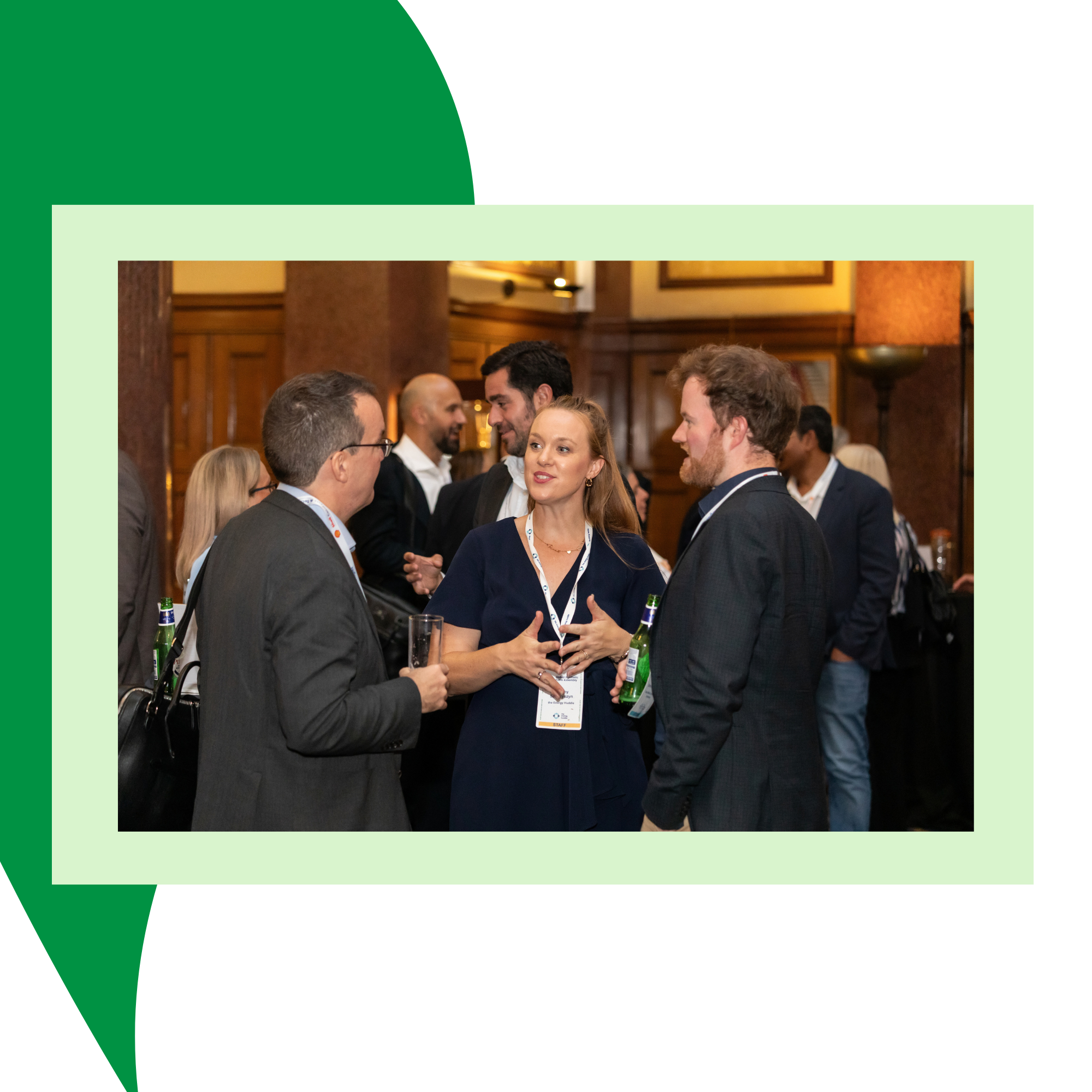
Like the previous day, many discussions throughout the event focused on the different responsibilities of the producers and offtakers, and why the two currently struggle to find mutually beneficial ground in this industry. It was impossible to ignore the displeasure at the uncertainty around synthetic fuels regulation, with many off-panel discussions centring on the difference between “reviews” and “revisions” and what this means for current policies. Despite the strong ideas put forward across the panels for both producers and offtakers, the sense that EU policy could change with little notice was felt throughout the assembly. However, plenty of time was given for ironing out these shared worries in the networking spaces and huddle groups, and it was particularly evident to me that allowing these times for strangers from the same sector to meet and voice their shared issues was enough to renew hope for the industry as a whole.
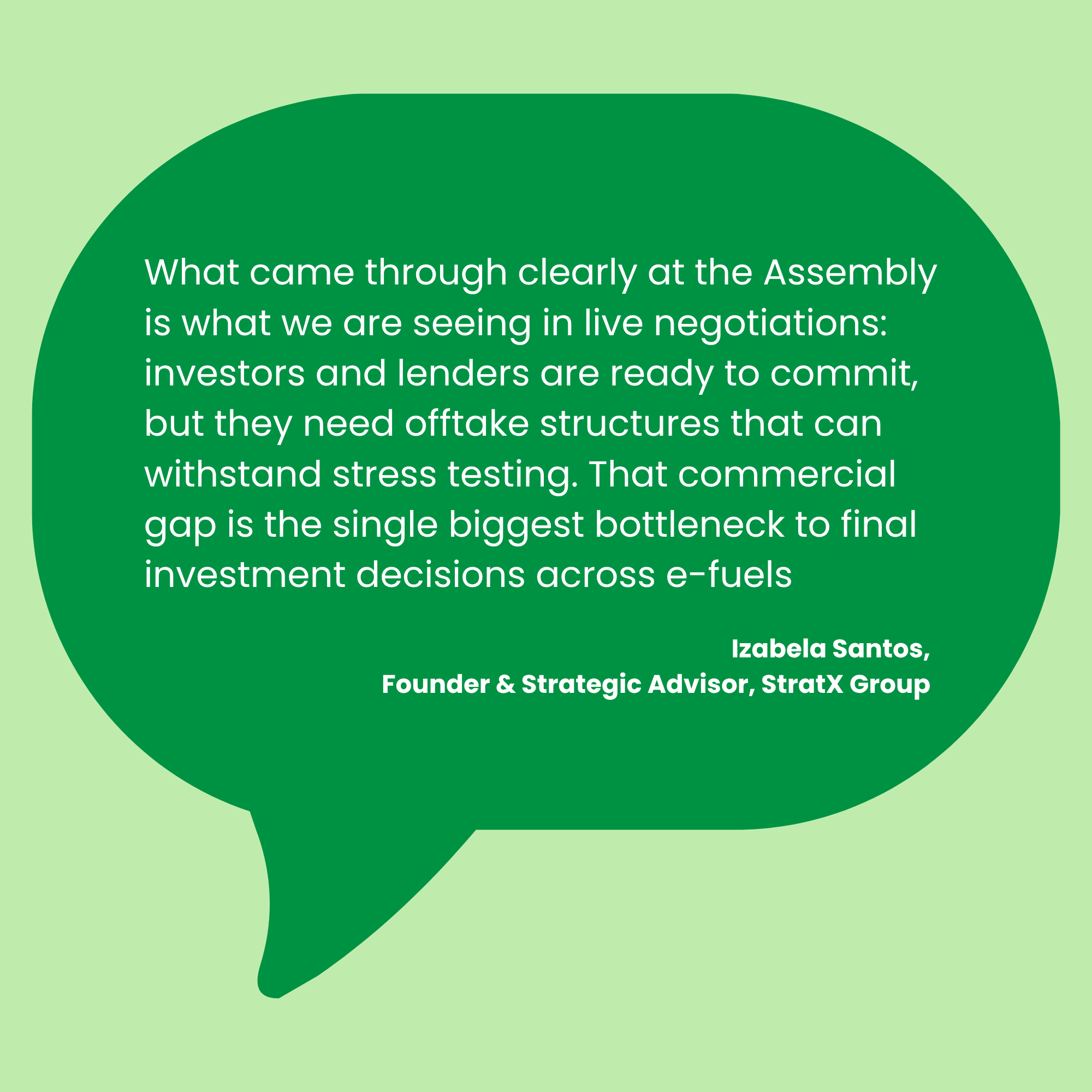
Santos says about 2026’s event: ‘What came through clearly at the Assembly is what we are seeing in live negotiations: investors and lenders are ready to commit, but they need offtake structures that can withstand stress testing. That commercial gap is the single biggest bottleneck to final investment decisions across e-fuels.’
For more information: https://www.globalsyntheticfuelsassembly.com/